wild
wild
growing freely
Learn wild with free cards in 30 seconds.
10 minutes a day can add up to 3,000 words a year. Spaced flashcards bring each word back when it is time to remember it.
wild fits your vocabulary level. Check your level if you are not sure.

How many words can you learn in a year?
If you learn 8-10 new words a day and review them regularly with flashcards, you can cover about 3,000 words in a year.
ZapomniEnglish brings words back at the right time: difficult words appear more often, familiar words less often.
Not sure what pace to start with? Check your vocabulary level and we will suggest words for your level.
We count words you add to learning and review regularly. Active use grows gradually and depends on practice.
| Pace | Per day | Per year | Best for |
|---|---|---|---|
| Easy | 3 words | ≈ 1,100 words | starting without pressure |
| Balanced | 5 words | ≈ 1,800 words | steady growth |
| Recommended | 8 words | ≈ 2,900 words | around 3,000 words a year |
| Fast | 10 words | ≈ 3,650 words | visible vocabulary growth |
| Intensive | 15 words | ≈ 5,500 words | strong motivation |
wild with Russian translation
wild usage examples
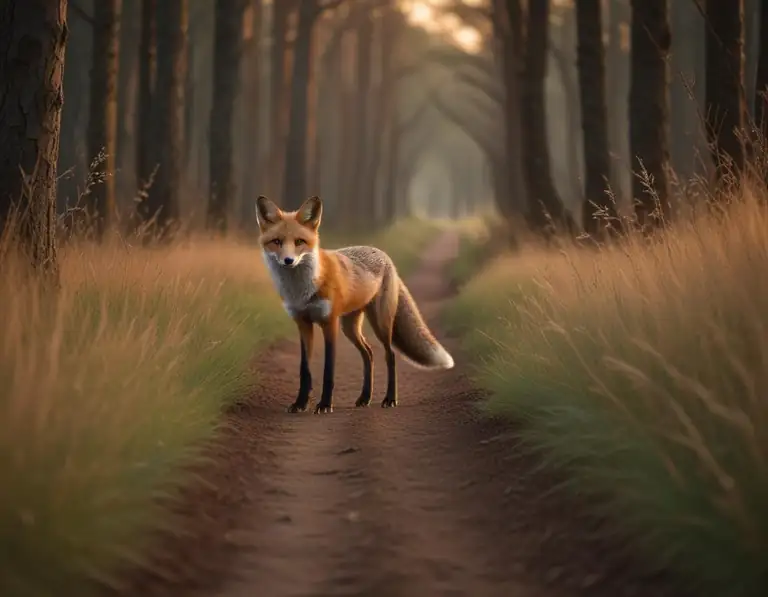
Мы наблюдали, как дикий лис пересёк тропу в сумерках.
We watched a wild fox cross the path at dusk.
Луг выглядел диким с высокой травой и красными маками.
The meadow looked wild with tall grasses and poppies.
Learn by topic
wild belongs to the topic "Outdoor Recreation". Start with a short 7-word set so the word is easier to remember in context.
wild synonyms
What's the difference between wild / untamed / wild-growing / self-seeded / uncultivated / feral
general term for things living or existing without human control; applies to animals, plants, places, behaviour
We saw wild deer in the forest.
Мы видели диких оленей в лесу.
emphasizes not domesticated or not tamed; often about animals or unruly behaviour
The horse remained untamed and would not let anyone ride it.
Лошадь оставалась неукрощённой и не давала никому сесть на неё.
used specifically for plants that grow naturally in the wild without planting or cultivation
The wild-growing herbs are excellent for making tea.
Дикие травы, растущие сами по себе, отлично подходят для чая.
refers to plants that have grown from seeds dropped or dispersed naturally, not intentionally sown
Those tomatoes were self-seeded in the compost heap.
Эти помидоры выросли самосевом в компостной куче.
used mainly for land or plants; means not farmed, improved or cultivated
The uncultivated hillside was covered in grasses and wildflowers.
Необрабатываемый склон был покрыт травой и полевыми цветами.
specifically describes animals (or plants) that descended from domesticated stock and returned to a wild state
Feral cats have become a problem in the urban area.
Одичавшие кошки стали проблемой в городской зоне.
focuses on animals allowed to move freely over an area, not confined
The farm keeps free-roaming hens on pasture.
Ферма держит кур, свободно гуляющих по пастбищу.
used for animals that range freely; common in farming/marketing contexts (e.g., free‑range/free‑ranging)
Free-ranging cattle graze over the hills in summer.
Свободно пасущиеся коровы пасутся на холмах летом.
broad term meaning 'from nature' or 'not artificial'; does not always imply wild or uncontrolled
We prefer natural fabrics over synthetics.
Мы предпочитаем натуральные ткани синтетическим.
What's the difference
More related word breakdowns
Short comparisons help you choose the right word by meaning, context, and typical examples.

В чем разница в английском между carry, wear, tote и lug
Carry — нести или иметь при себе, wear — носить на теле, tote — таскать с собой, lug — тащить тяжёлое с усилием.
В чем разница в английском между whole, entire, complete и intact
Разница между whole, entire, complete и intact: целое, весь объем, завершенность и сохранность без повреждений.

В чем разница в английском между choose, pick, select и opt for
Разница между choose, pick, select и opt for: обычный выбор, разговорный выбор, выбор из списка и осознанное предпочтение.
Related words and lists for wild









How to pronounce wild and what this word means
wild translation: дикий. This page includes translation, pronunciation, transcription, audio, usage examples and related words.
how to pronounce wild
/ˈwaɪld/
wild translation
дикий
wild examples
We watched a wild fox cross the path at dusk.
wild transcription
/ˈwaɪld/, /ˈwaɪld/
How this dictionary entry is reviewed
ZapomniEnglish prepares dictionary data automatically, then the editorial workflow checks high-frequency words, top lists, and pages that already receive search impressions first.
Questions about this word
wild meaning: what does it mean?
growing freely
wild pronunciation: how do you pronounce it?
wild is pronounced as /ˈwaɪld/. Audio is available on this page when the word has a recording.
wild definition and sentence examples: how is it used in a sentence?
We watched a wild fox cross the path at dusk. Translation: Мы наблюдали, как дикий лис пересёк тропу в сумерках.
Is wild part of Wild Animals vocabulary?
Yes, wild (дикий) can be learned in the Wild Animals topic. This semantic link helps build related word lists and topic-based practice.
Is wild part of Garden and Plants vocabulary?
Yes, wild (дикий) can be learned in the Garden and Plants topic. This semantic link helps build related word lists and topic-based practice.
Learn wild in your vocabulary
Add this word to practice, repeat it with audio, examples and your own word lists.