take shelter
take shelter
go to a safe place
Learn take shelter with free cards in 30 seconds.
10 minutes a day can add up to 3,000 words a year. Spaced flashcards bring each word back when it is time to remember it.
take shelter fits your vocabulary level. Check your level if you are not sure.


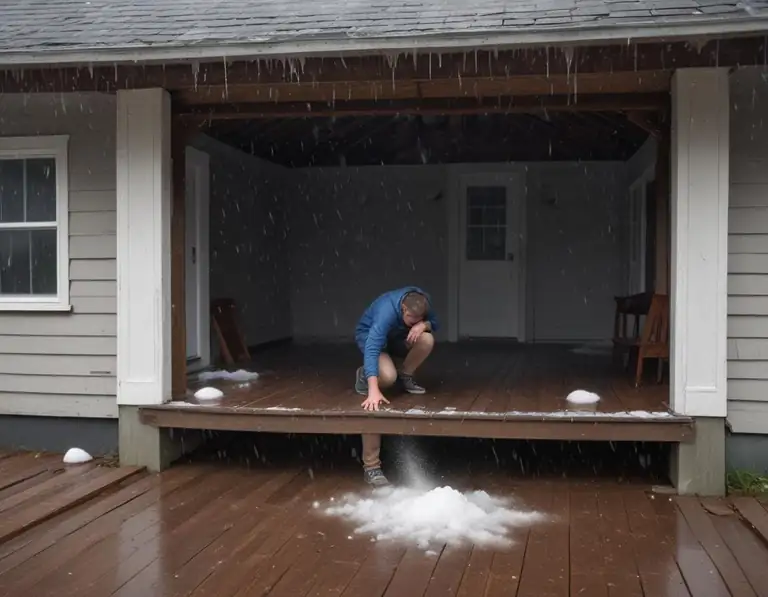
How many words can you learn in a year?
If you learn 8-10 new words a day and review them regularly with flashcards, you can cover about 3,000 words in a year.
ZapomniEnglish brings words back at the right time: difficult words appear more often, familiar words less often.
Not sure what pace to start with? Check your vocabulary level and we will suggest words for your level.
We count words you add to learning and review regularly. Active use grows gradually and depends on practice.
| Pace | Per day | Per year | Best for |
|---|---|---|---|
| Easy | 3 words | ≈ 1,100 words | starting without pressure |
| Balanced | 5 words | ≈ 1,800 words | steady growth |
| Recommended | 8 words | ≈ 2,900 words | around 3,000 words a year |
| Fast | 10 words | ≈ 3,650 words | visible vocabulary growth |
| Intensive | 15 words | ≈ 5,500 words | strong motivation |
take shelter with Russian translation
take shelter usage examples
Когда начинается град, людям стоит искать укрытие под прочными крышами.
When hail starts, people should take shelter under strong roofs.
Если слышна сирена, немедленно ищите укрытие в ближайшем здании.
If the siren sounds, take shelter inside the nearest building.
Learn by topic
take shelter belongs to the topic "Natural Phenomena". Start with a short 7-word set so the word is easier to remember in context.
take shelter synonyms
What's the difference between take shelter / take refuge / seek refuge / shelter (verb) / get to safety / hide
Identical core meaning: look for or occupy a protective place from danger or bad weather.
We took shelter under a tree during the storm.
Мы искали укрытие под деревом во время шторма.
More formal and sometimes figurative; often used for escaping danger, persecution or disaster.
Thousands took refuge in neighbouring towns after the floods.
Тысячи людей нашли убежище в соседних городах после наводнений.
Formal phrase that stresses the act of looking for refuge; used in serious contexts (war, persecution, disaster).
Families sought refuge in community centres after the earthquake.
Семьи искали убежище в общественных центрах после землетрясения.
Can be transitive ('to shelter someone') or intransitive; broader because it includes giving shelter as well as taking it.
The barn sheltered the horses from the storm.
Сарай укрыл лошадей от шторма.
Emphasizes reaching a safe location; broader and action-focused rather than describing the type of shelter.
When the alarm sounded, the priority was to get to safety.
Когда прозвучала тревога, приоритетом было добраться до безопасного места.
More general 'conceal oneself' — can be from people or observation and not specifically for protection from weather.
The child hid behind the curtains when visitors arrived.
Ребенок спрятался за занавесками, когда пришли гости.
Specific emergency instruction to stay where you are (indoors) and not move to another shelter; procedural/official tone.
Authorities ordered residents to shelter in place until the danger passed.
Власти приказали жителям оставаться на месте до устранения опасности.
Informal: to crouch or settle in to wait out danger or bad weather; implies staying put and bracing rather than moving to new shelter.
We hunkered down in the cellar until the storm passed.
Мы затаились в подвале, пока не прошёл шторм.
What's the difference
More related word breakdowns
Short comparisons help you choose the right word by meaning, context, and typical examples.

В чем разница в английском между carry, wear, tote и lug
Carry — нести или иметь при себе, wear — носить на теле, tote — таскать с собой, lug — тащить тяжёлое с усилием.

В чем разница в английском между whole, entire, complete и intact
Разница между whole, entire, complete и intact: целое, весь объем, завершенность и сохранность без повреждений.

В чем разница в английском между choose, pick, select и opt for
Разница между choose, pick, select и opt for: обычный выбор, разговорный выбор, выбор из списка и осознанное предпочтение.
Related words and lists for take shelter











How to pronounce take shelter and what this word means
take shelter translation: искать укрытие. This page includes translation, pronunciation, transcription, audio, usage examples and related words.
how to pronounce take shelter
/tə teɪk ˈʃeltə/
take shelter translation
искать укрытие
take shelter examples
When hail starts, people should take shelter under strong roofs.
take shelter transcription
/tə teɪk ˈʃeltə/, /tu teɪk ˈʃɛltɚ/
How this dictionary entry is reviewed
ZapomniEnglish prepares dictionary data automatically, then the editorial workflow checks high-frequency words, top lists, and pages that already receive search impressions first.
Questions about this word
take shelter meaning: what does it mean?
go to a safe place
take shelter pronunciation: how do you pronounce it?
take shelter is pronounced as /tə teɪk ˈʃeltə/. Audio is available on this page when the word has a recording.
take shelter definition and sentence examples: how is it used in a sentence?
When hail starts, people should take shelter under strong roofs. Translation: Когда начинается град, людям стоит искать укрытие под прочными крышами.
Is take shelter part of Natural Phenomena vocabulary?
Yes, take shelter (искать укрытие) can be learned in the Natural Phenomena topic. This semantic link helps build related word lists and topic-based practice.
Is take shelter part of Weather and Seasons vocabulary?
Yes, take shelter (искать укрытие) can be learned in the Weather and Seasons topic. This semantic link helps build related word lists and topic-based practice.
Learn take shelter in your vocabulary
Add this word to practice, repeat it with audio, examples and your own word lists.