set off
set off
begin journey
Learn set off with free cards in 30 seconds.
10 minutes a day can add up to 3,000 words a year. Spaced flashcards bring each word back when it is time to remember it.
set off fits your vocabulary level. Check your level if you are not sure.



How many words can you learn in a year?
If you learn 8-10 new words a day and review them regularly with flashcards, you can cover about 3,000 words in a year.
ZapomniEnglish brings words back at the right time: difficult words appear more often, familiar words less often.
Not sure what pace to start with? Check your vocabulary level and we will suggest words for your level.
We count words you add to learning and review regularly. Active use grows gradually and depends on practice.
| Pace | Per day | Per year | Best for |
|---|---|---|---|
| Easy | 3 words | ≈ 1,100 words | starting without pressure |
| Balanced | 5 words | ≈ 1,800 words | steady growth |
| Recommended | 8 words | ≈ 2,900 words | around 3,000 words a year |
| Fast | 10 words | ≈ 3,650 words | visible vocabulary growth |
| Intensive | 15 words | ≈ 5,500 words | strong motivation |
set off with Russian translation
set off usage examples
Мы отправились до рассвета, чтобы к полудню добраться до вершины.
We set off before sunrise to reach the summit by midday.
Собрав вещи, семья отправилась по прибрежной тропе.
After packing, the family set off down the coastal path.
Learn by topic
set off belongs to the topic "Tourism and Adventures". Start with a short 7-word set so the word is easier to remember in context.
set off synonyms
What's the difference between set off / depart / leave / head out / get going / hit the road
Same as the headword: to begin a journey.
We set off early to avoid traffic.
Мы отправились рано, чтобы избежать пробок.
More formal than 'set off'; often used in timetables and formal contexts (trains, flights).
The train departs at 09:30.
Поезд отправляется в 09:30.
More general: to go away from a place; not always specifically starting a journey.
She left the house at seven.
Она покинула дом в семь.
Informal: to leave a place with the intention of going somewhere.
I'm going to head out now — see you later.
Я сейчас отправляюсь — увидимся позже.
Informal: to start moving or to begin an activity or journey.
We should get going if we want to be on time.
Нам стоит отправляться, если хотим быть вовремя.
Idiomatically means to begin a journey, usually by car; informal and vivid.
Let's hit the road before rush hour.
Давай отправимся в путь до часа пик.
Very close: to begin a journey or to begin doing something.
We started off early to see the sunrise.
Мы отправились рано, чтобы увидеть восход.
Can mean to dispatch something or to see someone off; differs because it may focus on the act of sending or farewell.
They sent off the parcel and then went to the station to send off their friend.
Они отправили посылку, а потом пошли на вокзал, чтобы проводить друга.
Has several meanings: to leave suddenly / to begin a journey (informal) and to describe aircraft leaving the ground.
We took off as soon as the meeting ended.
Мы ушли, как только собрание закончилось.
More formal and often used for boarding ships or starting an important undertaking.
They embarked on a long sea voyage.
Они отправились в долгое морское путешествие.
Specific to ships/boats: to begin a voyage by sea.
They set sail for the islands at dawn.
Они отплыли к островам на рассвете.
What's the difference
More related word breakdowns
Short comparisons help you choose the right word by meaning, context, and typical examples.

В чем разница в английском между carry, wear, tote и lug
Carry — нести или иметь при себе, wear — носить на теле, tote — таскать с собой, lug — тащить тяжёлое с усилием.

В чем разница в английском между whole, entire, complete и intact
Разница между whole, entire, complete и intact: целое, весь объем, завершенность и сохранность без повреждений.

В чем разница в английском между choose, pick, select и opt for
Разница между choose, pick, select и opt for: обычный выбор, разговорный выбор, выбор из списка и осознанное предпочтение.
Related words and lists for set off
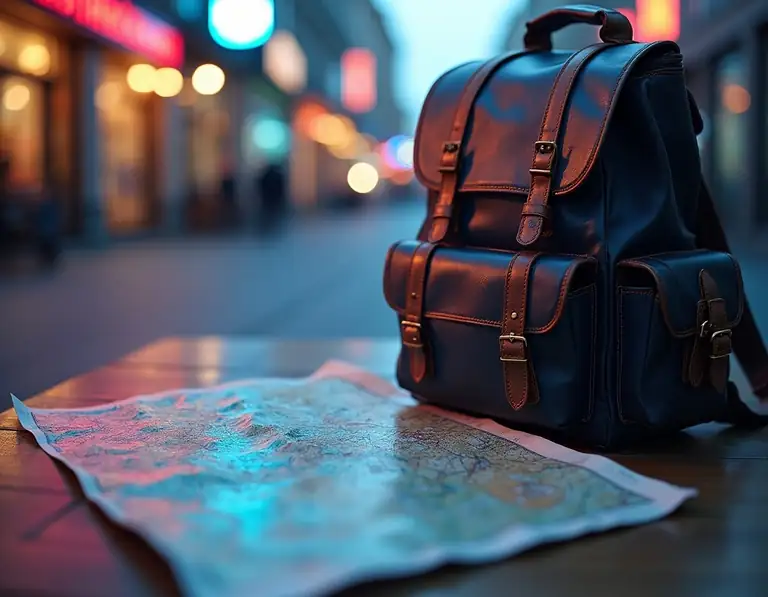








How to pronounce set off and what this word means
set off translation: отправляться. This page includes translation, pronunciation, transcription, audio, usage examples and related words.
how to pronounce set off
/tə ˈsɛt ɒf/
set off translation
отправляться
set off examples
We set off before sunrise to reach the summit by midday.
set off transcription
/tə ˈsɛt ɒf/, /tu ˈsɛt ɔf/
How this dictionary entry is reviewed
ZapomniEnglish prepares dictionary data automatically, then the editorial workflow checks high-frequency words, top lists, and pages that already receive search impressions first.
Questions about this word
set off meaning: what does it mean?
begin journey
set off pronunciation: how do you pronounce it?
set off is pronounced as /tə ˈsɛt ɒf/. Audio is available on this page when the word has a recording.
set off definition and sentence examples: how is it used in a sentence?
We set off before sunrise to reach the summit by midday. Translation: Мы отправились до рассвета, чтобы к полудню добраться до вершины.
Is set off part of Tourism and Adventures vocabulary?
Yes, set off (отправляться) can be learned in the Tourism and Adventures topic. This semantic link helps build related word lists and topic-based practice.
Is set off part of Travel and Leisure vocabulary?
Yes, set off (отправляться) can be learned in the Travel and Leisure topic. This semantic link helps build related word lists and topic-based practice.
Learn set off in your vocabulary
Add this word to practice, repeat it with audio, examples and your own word lists.