psychology
psychology
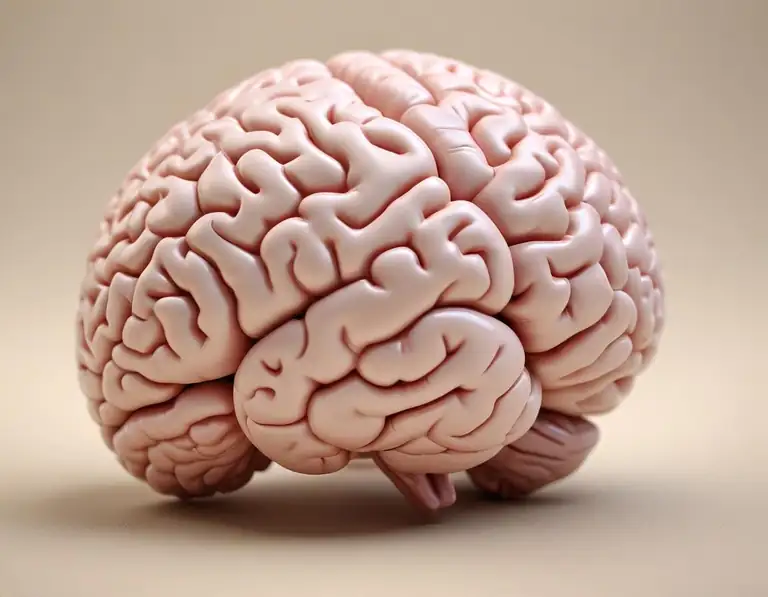
mind science
Learn psychology with free cards in 30 seconds.
10 minutes a day can add up to 3,000 words a year. Spaced flashcards bring each word back when it is time to remember it.
psychology fits your vocabulary level. Check your level if you are not sure.


How many words can you learn in a year?
If you learn 8-10 new words a day and review them regularly with flashcards, you can cover about 3,000 words in a year.
ZapomniEnglish brings words back at the right time: difficult words appear more often, familiar words less often.
Not sure what pace to start with? Check your vocabulary level and we will suggest words for your level.
We count words you add to learning and review regularly. Active use grows gradually and depends on practice.
| Pace | Per day | Per year | Best for |
|---|---|---|---|
| Easy | 3 words | ≈ 1,100 words | starting without pressure |
| Balanced | 5 words | ≈ 1,800 words | steady growth |
| Recommended | 8 words | ≈ 2,900 words | around 3,000 words a year |
| Fast | 10 words | ≈ 3,650 words | visible vocabulary growth |
| Intensive | 15 words | ≈ 5,500 words | strong motivation |
psychology with Russian translation
psychology usage examples
Она изучает психологию, чтобы понять поведение.
She's studying psychology to understand behaviour.
Книги по психологии могут помочь людям справиться со стрессом.
Psychology books can help people cope with stress.
Learn by topic
psychology belongs to the topic "Subjects". Start with a short 7-word set so the word is easier to remember in context.
psychology synonyms
What's the difference between psychology / psychometrics / psychiatry / psychiatrist / psychotherapist / psychotherapy
The general discipline studying mind and behaviour; the primary term.
She studies psychology at university.
Она изучает психологию в университете.
A branch of psychology devoted to measuring psychological traits — tests and scales.
Psychometrics develops reliable personality tests.
Психометрика разрабатывает надёжные тесты личности.
A medical specialty focused on diagnosis and medical treatment of mental disorders.
She decided to study psychiatry to become a doctor treating mental illness.
Она решила изучать психиатрию, чтобы стать врачом, лечащим психические расстройства.
A medical doctor specializing in mental disorders; a practitioner.
The psychiatrist prescribed medication.
Психиатр назначил медикаменты.
A practitioner who provides psychotherapy; not always a medical doctor, focuses on talking treatments.
He sees a psychotherapist for anxiety.
Он ходит к психотерапевту из‑за тревоги.
A treatment method — therapies involving talking, behavioural and psychological techniques.
Psychotherapy helped her manage depression.
Психотерапия помогла ей справиться с депрессией.
A broad interdisciplinary area including psychology, behavioural economics, etc.; focus on behaviour.
Behavioral science draws on psychology and economics to study decision making.
Поведенческая наука опирается на психологию и экономику, чтобы изучать принятие решений.
An interdisciplinary science of cognition combining psychology, linguistics, AI and neuroscience.
Cognitive science includes computational models of thought.
Когнитивная наука включает вычислительные модели мышления.
The science of the nervous system; focuses on brain biology, often complements psychology but is distinct.
Neuroscience research maps brain activity during tasks.
Нейронаука исследует активность мозга во время выполнения задач.
What's the difference
More related word breakdowns
Short comparisons help you choose the right word by meaning, context, and typical examples.

В чем разница в английском между carry, wear, tote и lug
Carry — нести или иметь при себе, wear — носить на теле, tote — таскать с собой, lug — тащить тяжёлое с усилием.
В чем разница в английском между whole, entire, complete и intact
Разница между whole, entire, complete и intact: целое, весь объем, завершенность и сохранность без повреждений.

В чем разница в английском между choose, pick, select и opt for
Разница между choose, pick, select и opt for: обычный выбор, разговорный выбор, выбор из списка и осознанное предпочтение.
Related words and lists for psychology
Lists











How to pronounce psychology and what this word means
psychology translation: психология. This page includes translation, pronunciation, transcription, audio, usage examples and related words.
how to pronounce psychology
/ə saɪˈkɒlədʒi/
psychology translation
психология
psychology examples
She's studying psychology to understand behaviour.
psychology transcription
/ə saɪˈkɒlədʒi/, /saɪˈkɑlədʒi/
How this dictionary entry is reviewed
ZapomniEnglish prepares dictionary data automatically, then the editorial workflow checks high-frequency words, top lists, and pages that already receive search impressions first.
Questions about this word
psychology meaning: what does it mean?
mind science
psychology pronunciation: how do you pronounce it?
psychology is pronounced as /ə saɪˈkɒlədʒi/. Audio is available on this page when the word has a recording.
psychology definition and sentence examples: how is it used in a sentence?
She's studying psychology to understand behaviour. Translation: Она изучает психологию, чтобы понять поведение.
Is psychology part of Subjects vocabulary?
Yes, psychology (психология) can be learned in the Subjects topic. This semantic link helps build related word lists and topic-based practice.
Is psychology part of Study and Work vocabulary?
Yes, psychology (психология) can be learned in the Study and Work topic. This semantic link helps build related word lists and topic-based practice.
Learn psychology in your vocabulary
Add this word to practice, repeat it with audio, examples and your own word lists.