explore
explore
examine area
Learn explore with free cards in 30 seconds.
10 minutes a day can add up to 3,000 words a year. Spaced flashcards bring each word back when it is time to remember it.
explore fits your vocabulary level. Check your level if you are not sure.
How many words can you learn in a year?
If you learn 8-10 new words a day and review them regularly with flashcards, you can cover about 3,000 words in a year.
ZapomniEnglish brings words back at the right time: difficult words appear more often, familiar words less often.
Not sure what pace to start with? Check your vocabulary level and we will suggest words for your level.
We count words you add to learning and review regularly. Active use grows gradually and depends on practice.
| Pace | Per day | Per year | Best for |
|---|---|---|---|
| Easy | 3 words | ≈ 1,100 words | starting without pressure |
| Balanced | 5 words | ≈ 1,800 words | steady growth |
| Recommended | 8 words | ≈ 2,900 words | around 3,000 words a year |
| Fast | 10 words | ≈ 3,650 words | visible vocabulary growth |
| Intensive | 15 words | ≈ 5,500 words | strong motivation |
explore with Russian translation
explore usage examples
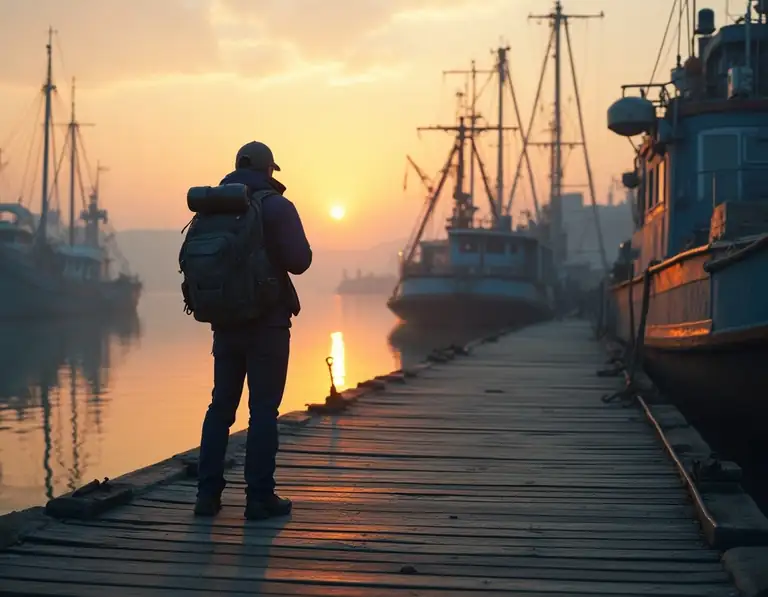
Давай исследуем старую гавань, прежде чем она станет многолюдной.
Let's explore the old harbour before it gets busy.
Они наняли гида, чтобы исследовать тропический лес безопасно.
They hired a guide to explore the rainforest safely.
Learn by topic
explore belongs to the topic "Outdoor Recreation". Start with a short 7-word set so the word is easier to remember in context.
explore synonyms
What's the difference between explore / investigate / examine / research / delve into / tour
To travel through or investigate a place, subject, or idea in order to learn about it.
We went to explore the cave to see the rock formations.
Мы отправились исследовать пещеру, чтобы посмотреть на скальные образования.
To examine facts or events systematically to discover the truth, causes, or details.
Detectives are investigating the theft.
Детективы расследуют кражу.
To look at something carefully to assess its condition or to study its details.
The doctor examined the patient for signs of infection.
Врач осмотрел пациента на предмет признаков инфекции.
To carry out systematic, detailed study aimed at establishing facts or reaching new conclusions (academic/scientific).
She is researching renewable energy technologies.
Она исследует технологии возобновляемой энергии.
To examine or investigate something in great depth, focusing on details.
The article delves into the causes of urban decline.
Статья углубляется в причины упадка городов.
They toured the city with a guide.
Они совершили экскурсию по городу с гидом.
To look over or measure an area systematically, or to collect structured information (e.g., by questionnaire).
Engineers surveyed the site before construction.
Инженеры обследовали участок перед строительством.
To investigate or explore deeply, often by questioning or using instruments; can suggest probing beyond the surface.
Journalists probed into the politician's past statements.
Журналисты тщательнее изучали/зондировали прошлые высказывания политика.
To explore or reconnoiter an area to gather practical information, often for planning or tactical use.
They scouted the location for the film shoot.
Они разведали место для съемок фильма.
To make a preliminary survey or reconnaissance of an area, typically for military or strategic purposes.
The platoon reconnoitered the valley before the operation.
Взвод разведал долину перед операцией.
To look at or investigate something informally or briefly; also to try or examine casually.
You should check out the new café on High Street.
Тебе стоит заглянуть/посмотреть новое кафе на Хай-стрит.
What's the difference
More related word breakdowns
Short comparisons help you choose the right word by meaning, context, and typical examples.

В чем разница в английском между carry, wear, tote и lug
Carry — нести или иметь при себе, wear — носить на теле, tote — таскать с собой, lug — тащить тяжёлое с усилием.
В чем разница в английском между whole, entire, complete и intact
Разница между whole, entire, complete и intact: целое, весь объем, завершенность и сохранность без повреждений.

В чем разница в английском между choose, pick, select и opt for
Разница между choose, pick, select и opt for: обычный выбор, разговорный выбор, выбор из списка и осознанное предпочтение.
Related words and lists for explore







How to pronounce explore and what this word means
explore translation: исследовать. This page includes translation, pronunciation, transcription, audio, usage examples and related words.
how to pronounce explore
/ɪkˈsplɔː/
explore translation
исследовать
explore examples
Let's explore the old harbour before it gets busy.
explore transcription
/ɪkˈsplɔː/, /ɪkˈsplɔr/
How this dictionary entry is reviewed
ZapomniEnglish prepares dictionary data automatically, then the editorial workflow checks high-frequency words, top lists, and pages that already receive search impressions first.
Questions about this word
explore meaning: what does it mean?
examine area
explore pronunciation: how do you pronounce it?
explore is pronounced as /ɪkˈsplɔː/. Audio is available on this page when the word has a recording.
explore definition and sentence examples: how is it used in a sentence?
Let's explore the old harbour before it gets busy. Translation: Давай исследуем старую гавань, прежде чем она станет многолюдной.
Is explore part of Outdoor Recreation vocabulary?
Yes, explore (исследовать) can be learned in the Outdoor Recreation topic. This semantic link helps build related word lists and topic-based practice.
Is explore part of Travel and Leisure vocabulary?
Yes, explore (исследовать) can be learned in the Travel and Leisure topic. This semantic link helps build related word lists and topic-based practice.
Learn explore in your vocabulary
Add this word to practice, repeat it with audio, examples and your own word lists.