discover
discover
find new place
Learn discover with free cards in 30 seconds.
10 minutes a day can add up to 3,000 words a year. Spaced flashcards bring each word back when it is time to remember it.
discover fits your vocabulary level. Check your level if you are not sure.
How many words can you learn in a year?
If you learn 8-10 new words a day and review them regularly with flashcards, you can cover about 3,000 words in a year.
ZapomniEnglish brings words back at the right time: difficult words appear more often, familiar words less often.
Not sure what pace to start with? Check your vocabulary level and we will suggest words for your level.
We count words you add to learning and review regularly. Active use grows gradually and depends on practice.
| Pace | Per day | Per year | Best for |
|---|---|---|---|
| Easy | 3 words | ≈ 1,100 words | starting without pressure |
| Balanced | 5 words | ≈ 1,800 words | steady growth |
| Recommended | 8 words | ≈ 2,900 words | around 3,000 words a year |
| Fast | 10 words | ≈ 3,650 words | visible vocabulary growth |
| Intensive | 15 words | ≈ 5,500 words | strong motivation |
discover with Russian translation
discover usage examples
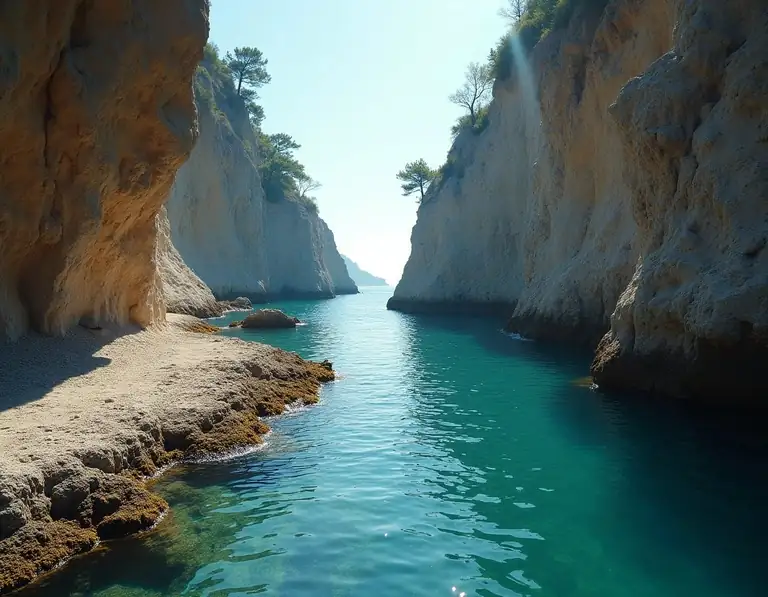
По прибрежной тропе мы можем открывать спокойные бухты, где никто не купается.
On the coastal path we might discover a quiet cove where no one swims.
Мы любим открывать небольшие кафе в стороне от главной улицы.
We will discover small cafés off the main street.
Learn by topic
discover belongs to the topic "Sightseeing and Landmarks". Start with a short 7-word set so the word is easier to remember in context.
discover synonyms
What's the difference between discover / find / uncover / unearth / explore / spot
General verb meaning to find or learn something previously unknown.
We discovered an old chapel on the hill during our trip.
Мы открыли/обнаружили старую часовню на холме во время поездки.
'Find' is more general and often more informal; emphasizes the result of locating.
We found a small museum near the cathedral.
Мы нашли небольшой музей рядом с собором.
'Uncover' stresses revealing something hidden (e.g., evidence, facts).
Investigators uncovered new evidence about the old building.
Следователи раскрыли/обнаружили новые улики о старом здании.
'Unearth' often has a dramatic or investigative tone, literally to dig up or figuratively to reveal hidden things.
Archaeologists unearthed pottery from the medieval period.
Археологи раскопали/открыли гончарные изделия средневекового периода.
'Explore' focuses on investigating or traveling through an area rather than the single act of finding.
We explored the old town to learn about its history.
Мы исследовали/осматривали старый город, чтобы узнать о его истории.
I spotted a medieval tower from the hilltop.
Я заметил средневековую башню с вершины холма.
Informal phrasal verb meaning to find something by chance.
We stumbled upon a tiny chapel while walking through the village.
Мы наткнулись на крошечную часовню, гуляя по деревне.
Phrasal verb meaning to find or meet by chance; conversational.
We came across a small garden behind the cathedral.
Мы наткнулись на небольшой сад за собором.
'Encounter' often implies meeting or experiencing, sometimes unexpectedly; can be formal.
On our hike we encountered several interesting ruins.
Во время похода мы столкнулись/встретили несколько интересных руин.
'Locate' emphasizes finding the precise position of something, often deliberately or technically.
We located the ancient gate on the old map and then visited it.
Мы определили местоположение древних ворот по старой карте и затем посетили их.
'Detect' implies discovering something often by careful observation, instruments, or tests.
Sensors detected traces of moisture behind the wall.
Датчики обнаружили следы влаги за стеной.
What's the difference
More related word breakdowns
Short comparisons help you choose the right word by meaning, context, and typical examples.

В чем разница в английском между carry, wear, tote и lug
Carry — нести или иметь при себе, wear — носить на теле, tote — таскать с собой, lug — тащить тяжёлое с усилием.
В чем разница в английском между whole, entire, complete и intact
Разница между whole, entire, complete и intact: целое, весь объем, завершенность и сохранность без повреждений.

В чем разница в английском между choose, pick, select и opt for
Разница между choose, pick, select и opt for: обычный выбор, разговорный выбор, выбор из списка и осознанное предпочтение.
Related words and lists for discover








How to pronounce discover and what this word means
discover translation: открывать. This page includes translation, pronunciation, transcription, audio, usage examples and related words.
how to pronounce discover
/dɪˈskʌvə/
discover translation
открывать
discover examples
On the coastal path we might discover a quiet cove where no one swims.
discover transcription
/dɪˈskʌvə/, /dɪˈskʌvɚ/
How this dictionary entry is reviewed
ZapomniEnglish prepares dictionary data automatically, then the editorial workflow checks high-frequency words, top lists, and pages that already receive search impressions first.
Questions about this word
discover meaning: what does it mean?
find new place
discover pronunciation: how do you pronounce it?
discover is pronounced as /dɪˈskʌvə/. Audio is available on this page when the word has a recording.
discover definition and sentence examples: how is it used in a sentence?
On the coastal path we might discover a quiet cove where no one swims. Translation: По прибрежной тропе мы можем открывать спокойные бухты, где никто не купается.
Is discover part of Sightseeing and Landmarks vocabulary?
Yes, discover (открывать) can be learned in the Sightseeing and Landmarks topic. This semantic link helps build related word lists and topic-based practice.
Is discover part of Travel and Leisure vocabulary?
Yes, discover (открывать) can be learned in the Travel and Leisure topic. This semantic link helps build related word lists and topic-based practice.
Learn discover in your vocabulary
Add this word to practice, repeat it with audio, examples and your own word lists.