die
die
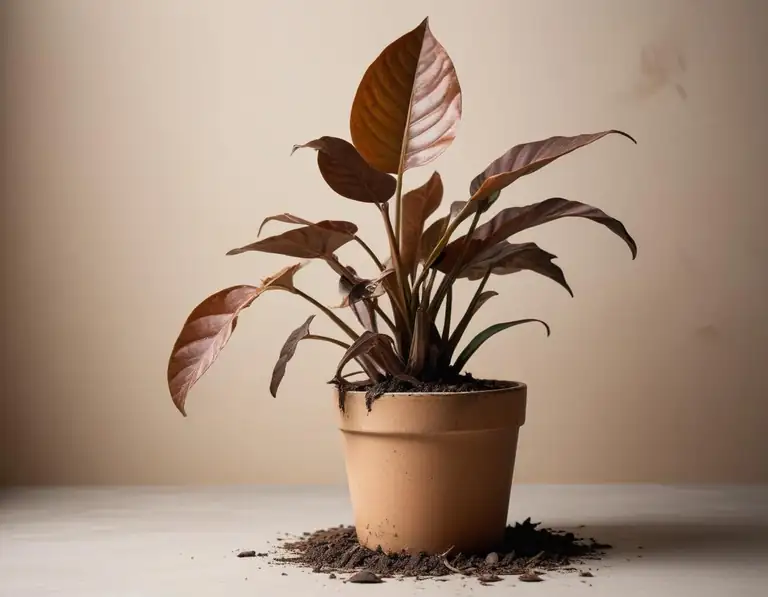
stop living
Learn die with free cards in 30 seconds.
10 minutes a day can add up to 3,000 words a year. Spaced flashcards bring each word back when it is time to remember it.
die fits your vocabulary level. Check your level if you are not sure.
How many words can you learn in a year?
If you learn 8-10 new words a day and review them regularly with flashcards, you can cover about 3,000 words in a year.
ZapomniEnglish brings words back at the right time: difficult words appear more often, familiar words less often.
Not sure what pace to start with? Check your vocabulary level and we will suggest words for your level.
We count words you add to learning and review regularly. Active use grows gradually and depends on practice.
| Pace | Per day | Per year | Best for |
|---|---|---|---|
| Easy | 3 words | ≈ 1,100 words | starting without pressure |
| Balanced | 5 words | ≈ 1,800 words | steady growth |
| Recommended | 8 words | ≈ 2,900 words | around 3,000 words a year |
| Fast | 10 words | ≈ 3,650 words | visible vocabulary growth |
| Intensive | 15 words | ≈ 5,500 words | strong motivation |
die with Russian translation
die usage examples
Если забывать поливать, растения начнут умирать.
If you forget to water them, the plants will die.
Старое дерево начало умирать после того, как шторм повредил его корни.
The old tree began to die after the storm damaged its roots.
Learn by topic
die belongs to the topic "Top 500". Start with a short 7-word set so the word is easier to remember in context.
die synonyms
What's the difference between die / perish / wilt / wither / succumb / expire
Neutral, general verb meaning to cease living; used for people, animals and plants.
The garden plant died after the frost.
Садовое растение погибло после заморозков.
More formal/literary than 'die'; means to die or be destroyed; less common in casual speech.
Many seedlings perished in the unexpected frost.
Многие сеянцы погибли из‑за неожиданного заморозка.
Specifically about plants losing turgor and drooping; may precede death but can be reversible.
The roses wilted in the midday heat but recovered at night.
Розы завяли в полуденную жару, но ночью восстановились.
Refers to drying/shrivelling of plant parts; more about long‑term decline than immediate death.
The leaves withered after weeks without water.
Листья завяли после нескольких недель без воды.
Formal; means to give in to an illness or force and die (or be overcome).
Many trees succumbed to the blight last year.
Многие деревья погибли от болезни в прошлом году.
Formal/legal; means to die or come to an end (also used for contracts/food). Uncommon for plants.
The oldest tree in the park expired last year (formal/rare).
Самое старое дерево в парке погибло в прошлом году (формально, редко).
Implies decomposition/gangrene-like breakdown (often of tissues); can occur while living or after death.
The roots rotted because the soil stayed waterlogged.
Корни загнили из‑за постоянной сырости почвы.
More technical/neutral than 'rot'; denotes biological breakdown/decomposition over time.
Fallen leaves decay on the forest floor and enrich the soil.
Опавшие листья разлагаются на лесной подстилке и обогащают почву.
Often refers to loss of color or vigor (flowers fading); not necessarily death but decline in appearance.
The petals faded after a week in the vase.
Лепестки побледнели через неделю в вазе.
Scientific/technical term for biological breakdown into simpler substances; refers to post‑mortem process.
Dead leaves decompose and return nutrients to the soil.
Мёртвые листья разлагаются и возвращают питательные вещества в почву.
What's the difference
More related word breakdowns
Short comparisons help you choose the right word by meaning, context, and typical examples.

В чем разница в английском между carry, wear, tote и lug
Carry — нести или иметь при себе, wear — носить на теле, tote — таскать с собой, lug — тащить тяжёлое с усилием.
В чем разница в английском между whole, entire, complete и intact
Разница между whole, entire, complete и intact: целое, весь объем, завершенность и сохранность без повреждений.

В чем разница в английском между choose, pick, select и opt for
Разница между choose, pick, select и opt for: обычный выбор, разговорный выбор, выбор из списка и осознанное предпочтение.
Related words and lists for die












How to pronounce die and what this word means
die translation: умирать. This page includes translation, pronunciation, transcription, audio, usage examples and related words.
how to pronounce die
/tə ˈdaɪ/
die translation
умирать
die examples
If you forget to water them, the plants will die.
die transcription
/tə ˈdaɪ/, /ˈdaɪ/
How this dictionary entry is reviewed
ZapomniEnglish prepares dictionary data automatically, then the editorial workflow checks high-frequency words, top lists, and pages that already receive search impressions first.
Questions about this word
die meaning: what does it mean?
stop living
die pronunciation: how do you pronounce it?
die is pronounced as /tə ˈdaɪ/. Audio is available on this page when the word has a recording.
die definition and sentence examples: how is it used in a sentence?
If you forget to water them, the plants will die. Translation: Если забывать поливать, растения начнут умирать.
Learn die in your vocabulary
Add this word to practice, repeat it with audio, examples and your own word lists.