ancient
ancient
very old
Learn ancient with free cards in 30 seconds.
10 minutes a day can add up to 3,000 words a year. Spaced flashcards bring each word back when it is time to remember it.
ancient fits your vocabulary level. Check your level if you are not sure.


How many words can you learn in a year?
If you learn 8-10 new words a day and review them regularly with flashcards, you can cover about 3,000 words in a year.
ZapomniEnglish brings words back at the right time: difficult words appear more often, familiar words less often.
Not sure what pace to start with? Check your vocabulary level and we will suggest words for your level.
We count words you add to learning and review regularly. Active use grows gradually and depends on practice.
| Pace | Per day | Per year | Best for |
|---|---|---|---|
| Easy | 3 words | ≈ 1,100 words | starting without pressure |
| Balanced | 5 words | ≈ 1,800 words | steady growth |
| Recommended | 8 words | ≈ 2,900 words | around 3,000 words a year |
| Fast | 10 words | ≈ 3,650 words | visible vocabulary growth |
| Intensive | 15 words | ≈ 5,500 words | strong motivation |
ancient with Russian translation
ancient usage examples
Древний храм стоит на вершине холма.
An ancient temple stands on the hilltop.
Посетители каждый год любуются древним каменным мостом.
Visitors admire the ancient stone bridge every summer.
Learn by topic
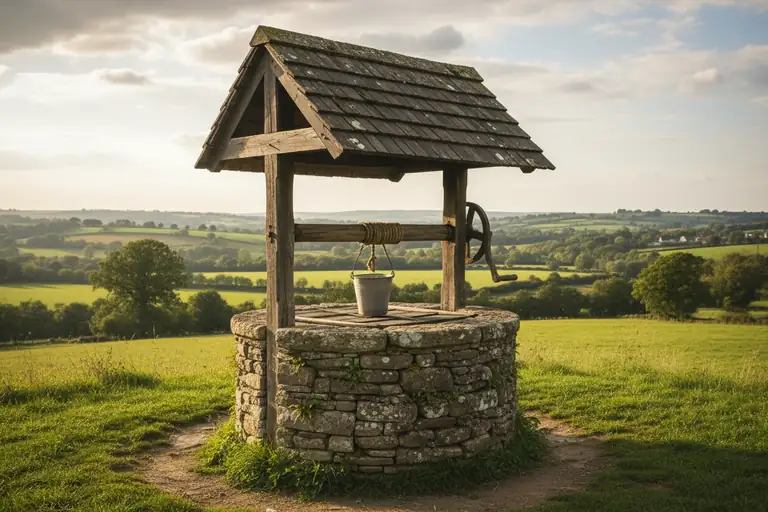
ancient belongs to the topic "Sightseeing and Landmarks". Start with a short 7-word set so the word is easier to remember in context.
ancient synonyms
What's the difference between ancient / old / age-old / antique / historic / archaic
Refers to something from a very distant past, often used for civilizations, monuments, history.
The ancient city was founded more than two thousand years ago.
Этот древний город был основан более двух тысяч лет назад.
General term for having lived or existed for a long time; less specific about magnitude of age.
The old church still stands in the village.
Старая церковь до сих пор стоит в деревне.
Suggests something that has existed for a very long time (often a problem, belief or tradition).
That's an age-old question with no easy answer.
Это вековой вопрос, у которого нет простого ответа.
Applies mainly to objects of considerable age with value as antiques; emphasizes collectibility or style.
She collects antique porcelain from the 18th century.
Она собирает антикварный фарфор XVIII века.
Refers to something important in history or having historical significance rather than merely old.
Their journey became a historic event in the country's independence movement.
Их путешествие стало историческим событием в движении страны за независимость.
Means outdated or no longer in normal use; often applies to language, forms or practices.
The law uses archaic terms that modern readers find confusing.
В законе используются архаичные термины, которые современным читателям кажутся запутанными.
Emphasizes respectability and dignity gained through age or status rather than mere age.
The venerable university has educated generations of leaders.
Почтенный университет воспитал поколения лидеров.
Implies wear and visible signs of age; often about objects, style or clichés.
The timeworn leather of the chair told of years of use.
Потертая временем кожа кресла говорила о годах использования.
Describes practices, traditions or methods respected because they have been used for a long time.
They follow time-honored techniques in making the cheese.
Они следуют проверенным временем методам при производстве сыра.
Focuses on duration — something that has existed or persisted for a long time, often used for problems or agreements.
They have a long-standing dispute over the boundary.
У них давний спор по поводу границы.
What's the difference
More related word breakdowns
Short comparisons help you choose the right word by meaning, context, and typical examples.

В чем разница в английском между carry, wear, tote и lug
Carry — нести или иметь при себе, wear — носить на теле, tote — таскать с собой, lug — тащить тяжёлое с усилием.

В чем разница в английском между whole, entire, complete и intact
Разница между whole, entire, complete и intact: целое, весь объем, завершенность и сохранность без повреждений.

В чем разница в английском между choose, pick, select и opt for
Разница между choose, pick, select и opt for: обычный выбор, разговорный выбор, выбор из списка и осознанное предпочтение.
Related words and lists for ancient










How to pronounce ancient and what this word means
ancient translation: древний. This page includes translation, pronunciation, transcription, audio, usage examples and related words.
how to pronounce ancient
/ˈeɪnʃənt/
ancient translation
древний
ancient examples
An ancient temple stands on the hilltop.
ancient transcription
/ˈeɪnʃənt/, /ˈeɪnʃənt/
How this dictionary entry is reviewed
ZapomniEnglish prepares dictionary data automatically, then the editorial workflow checks high-frequency words, top lists, and pages that already receive search impressions first.
Questions about this word
ancient meaning: what does it mean?
very old
ancient pronunciation: how do you pronounce it?
ancient is pronounced as /ˈeɪnʃənt/. Audio is available on this page when the word has a recording.
ancient definition and sentence examples: how is it used in a sentence?
An ancient temple stands on the hilltop. Translation: Древний храм стоит на вершине холма.
Is ancient part of Sightseeing and Landmarks vocabulary?
Yes, ancient (древний) can be learned in the Sightseeing and Landmarks topic. This semantic link helps build related word lists and topic-based practice.
Is ancient part of Travel and Leisure vocabulary?
Yes, ancient (древний) can be learned in the Travel and Leisure topic. This semantic link helps build related word lists and topic-based practice.
Learn ancient in your vocabulary
Add this word to practice, repeat it with audio, examples and your own word lists.